

Sneezing and Stuffy Nose in the Morning? It's Not a Cold, It's Your Bed (and February Dust Mites)
If, magically, the symptoms disappear 30 minutes after getting out of bed, the culprit is not a virus. It is your sleep system.
February is the "Golden Month" for dust mites. After months of closed windows and heating on 24/7, the air in our bedrooms becomes stagnant and dry. This environment, combined with synthetic bedding, creates the perfect storm for allergens.
Let's discover why your current mattress might be the cause of your morning malaise and how Pure Virgin Wool can act as a "Natural Filter," helping you breathe deeply again.
1. Why February is the Worst Month for "Indoor" Allergies
We often associate allergies with Spring pollen, but Winter is paradoxically more dangerous for those with sensitive respiratory tracts. Here is why:
-
Radiators On: Excessively dry air from heating lifts dust and mite debris into the air, which ends up directly in your respiratory tract while you sleep.
-
Lack of Airflow: We open windows less to keep the heat in, effectively sealing allergens inside the room.
-
The "Mattress Trap": Even if it's cold outside, under the covers your body produces heat and humidity. In foam or synthetic mattresses, this moisture gets trapped, creating a nursery for thousands of mites.
2. Wool: The "Natural Air Filter" for Your Sleep
Wool is not just a warm fiber; it is a technically advanced material created by nature to be self-cleaning and hypoallergenic. Sleeping on a
-
Hostile Environment for Mites: Mites need humidity to survive. Wool is hygroscopic: it absorbs water vapor and releases it quickly to the outside. This keeps the bed dry, making life impossible for parasites.
-
Protective Lanolin: Virgin wool contains Lanolin, a natural substance that repels dust and microorganisms.
-
Zero Static Charge: Unlike polyester and microfibers, wool does not generate static electricity. This means it acts as a dust repellent rather than a dust magnet. Less dust on the pillow means fewer irritations when you wake up.
Did you know? Wool is the only fiber capable of keeping the bed's microclimate perfectly balanced, preventing the proliferation of mold and bacteria that often cause bad odors and respiratory issues.
3. Clear Your Airways with "Dry Heat"
Morning "stuffy nose" is often caused by slight inflammation of the mucous membranes due to cold dampness accumulated in the pillow.
Wool generates Dry, Constant Heat. This type of heat promotes microcirculation and helps keep mucous membranes hydrated but not congested. If you suffer from sinusitis or rhinitis, switching from synthetic to wool is like moving from a damp cellar to a sunny mountain cabin: the difference is immediate.
4. Practical Tips for a "Detox" Bedroom
Besides choosing natural materials, here is what you can do to improve air quality in your room right now:
-
Air Out in the Cold: Open the windows for 5-10 minutes early in the morning. The crisp, cold air of February is a powerful natural sanitizer that kills mites.
-
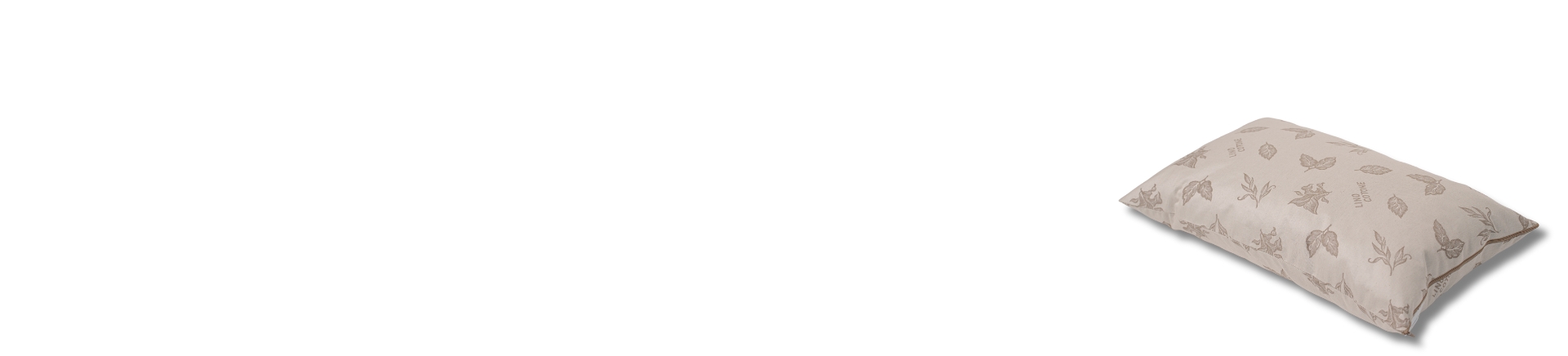
Choose the Right Pillow: If your pillow is more than two years old and synthetic, it is likely saturated with allergens. Replacing it with a breathable
Wool Pillow is the first step to stop sneezing. -
Protect the Mattress: If you can't change your mattress, use a
Wool Topper . It will act as a protective filter between you and the old dust accumulated deep in the bed structure.
Conclusion: Breathe Again
Don't accept waking up every morning feeling exhausted and with irritated airways. Often the solution is not in the pharmacy, but in the type of fibers you decide to keep in contact with your face for 8 hours a night.
Choosing wool means choosing a healthy, dry, and naturally protected environment.
Discover our definitive solution for a regenerated, warm, and allergy-free bed.